How our game focused research process works

Our methodology adapts classic user centred research principles to the specific rhythms, risks, and creative stakes of game development, from early prototypes to live titles.

01 Plan phase

Define scope

We begin by listening to how you describe the game, where players are struggling, and which decisions feel blocked. Together, we define a small set of research questions that usability work can realistically answer within your current constraints.

Profile players

We identify the player profiles that matter most for this phase, then set recruitment criteria, consent steps, and scheduling rules. This keeps sessions focused on the audience your design is actually built around.

Shape tasks

We break your build into critical flows, then design tasks and prompts that expose how players learn, navigate, and recover from mistakes without pushing them toward any particular path.

Pilot test

Before launch, we run a pilot or dry run to confirm that tasks, builds, and tools behave as expected. Any friction here is fixed so real sessions can focus on player behaviour, not logistics.

From research question to concrete UX changes

Every project follows the same backbone: clear questions, careful setup, disciplined observation, and structured synthesis. Within that frame, we adjust the depth, sample, and tooling to match your game, platform, and production reality.

Wislaimasoascusi

How findings become prioritised UX recommendations and design changes

Findings only matter when they lead to deliberate change. Our synthesis steps focus on turning messy observations into a short list of realistic moves your team can test, ship, and revisit.

Why this approach

Why a structured usability methodology beats informal playtesting

Friends as testers, hallway feedback, and late night streams feel helpful, yet they often hide more than they reveal. Our methodology is built to reduce bias, respect production constraints, and still capture the messy reality of how players actually behave. Instead of scattered opinions, you get a repeatable way to ask hard questions about your game and turn the answers into decisions your team can live with.

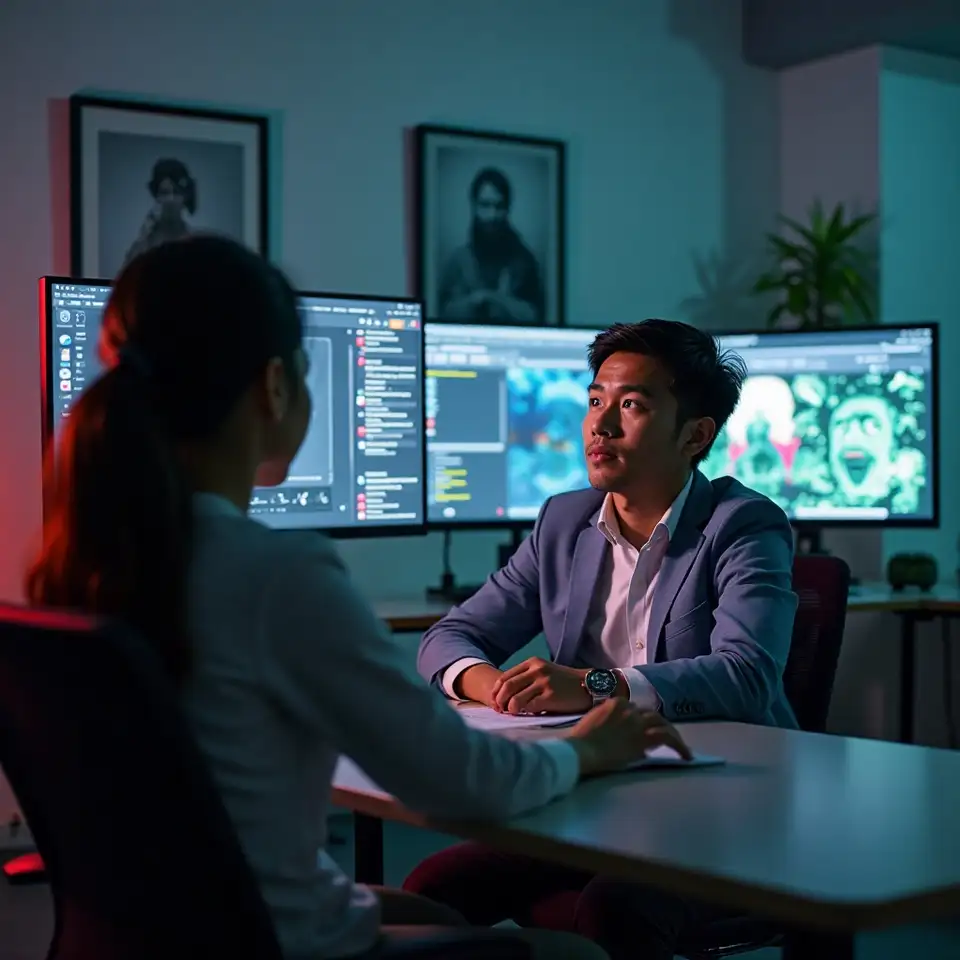
researcher observing structured playtest

Reduced bias through structured moderation

Unmoderated feedback from friends or community tends to tilt towards politeness or extreme reactions. Our sessions use neutral prompts, consistent tasks, and trained moderation to keep players talking without steering them. This reduces personal bias and gives your team a clearer picture of where friction really sits.

researcher reviewing gameplay analytics

Behaviour anchored, not opinion driven

Informal tests rarely connect what players say with what they actually do. We pair observations with telemetry, timestamps, and task outcomes. Each insight must anchor to visible behaviour, not just a memorable quote, which makes findings more reliable across builds and player groups.

Aligned with real production rhythms

Playtests that ignore your sprint cadence become wish lists you cannot action. We design studies around realistic milestones, focusing each round on a few critical questions. That alignment means usability work feeds directly into planning instead of arriving as a late surprise.

Layered passes across the project

One off sessions catch surface issues but miss deeper patterns. Our methodology layers early concept checks, mid development passes, and late polish reviews into a single learning arc. Each round builds on the last, so you see how changes land instead of restarting from zero every time.

diverse players in testing session

Recruitment that matches your audience

Ad hoc recruitment often over represents nearby colleagues or the loudest community members. We define clear profiles, screen participants carefully, and document who you are hearing from. That keeps edge cases from driving decisions meant for your core audience.
researcher reviewing usability report

Reports built for decision making

Raw feedback without structure quickly overwhelms teams. Our reports follow a consistent format: issue, evidence, impact, and suggested next step. This discipline turns scattered observations into a shortlist of realistic UX moves instead of a catalogue of everything that could be better.

secure handling of test data

Ethical and privacy aware by design

Recording players and sharing builds requires careful handling. Our process includes consent, controlled access, and retention guidelines, so usability work does not create new risks. Ethical and privacy considerations are treated as constraints in the design of every study.

Tools and platforms behind our remote and lab testing

Behind every session is a quiet stack of tools that help us see what players do, not just what they remember later. We combine capture, telemetry, and feedback instruments in a way that suits your platform, your build stability, and your team’s appetite for detail.
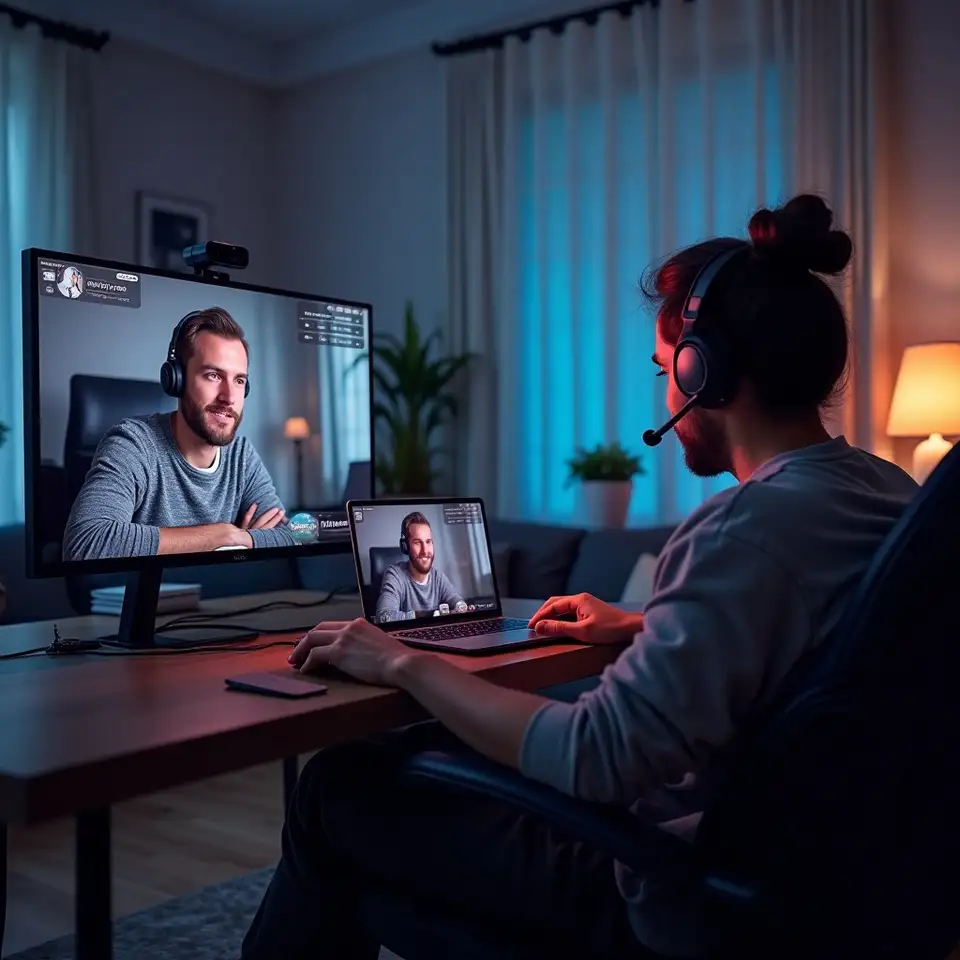
remote playtest with video capture

Video and input capture

For remote and lab based tests, we rely on screen and input capture combined with player audio and, when appropriate, a simple camera view. This lets us replay key moments, check timing, and see where attention drifts without relying on memory. In lab settings, we control lighting, seating, and equipment so the only variable is the game. Remotely, we account for everyday distractions to better mirror real play conditions.

telemetry dashboard for gameplay events

In game telemetry overlays

Where builds support it, we integrate event level telemetry to track deaths, retries, menu hops, and other signals that often sit behind player comments. We align these streams with our observation notes so each usability issue has both a story and a pattern. This dual view helps your team judge whether a complaint is isolated or part of a broader behavioural trend.

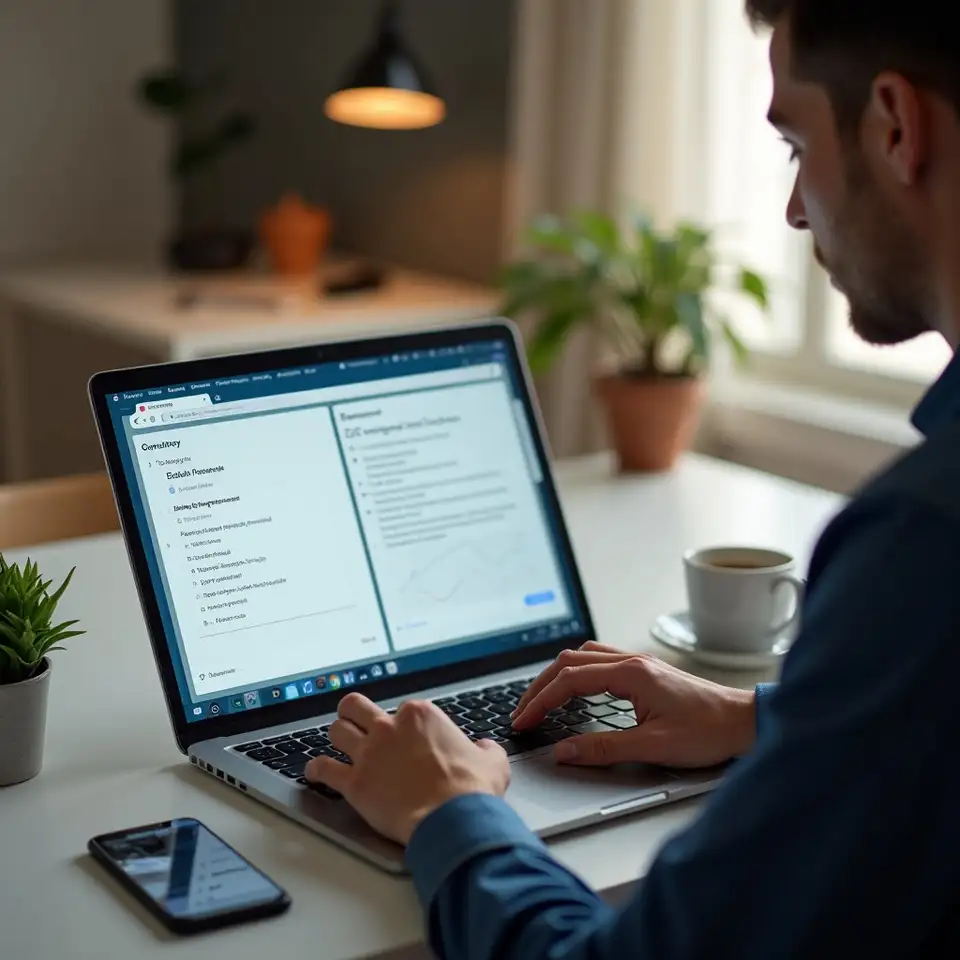
post session survey on laptop

Targeted surveys and feedback forms

After sessions, we use short, structured surveys to capture impressions while they are still fresh. These tools focus on clarity, comfort, and perceived challenge rather than satisfaction scores alone. Combined with session footage and telemetry, this self reported layer rounds out the picture of how players felt during and after play.

Methodology questions teams ask first

Below are brief answers to questions that often arise when teams first consider structured game usability testing with our studio.