-
01Game UX research lead
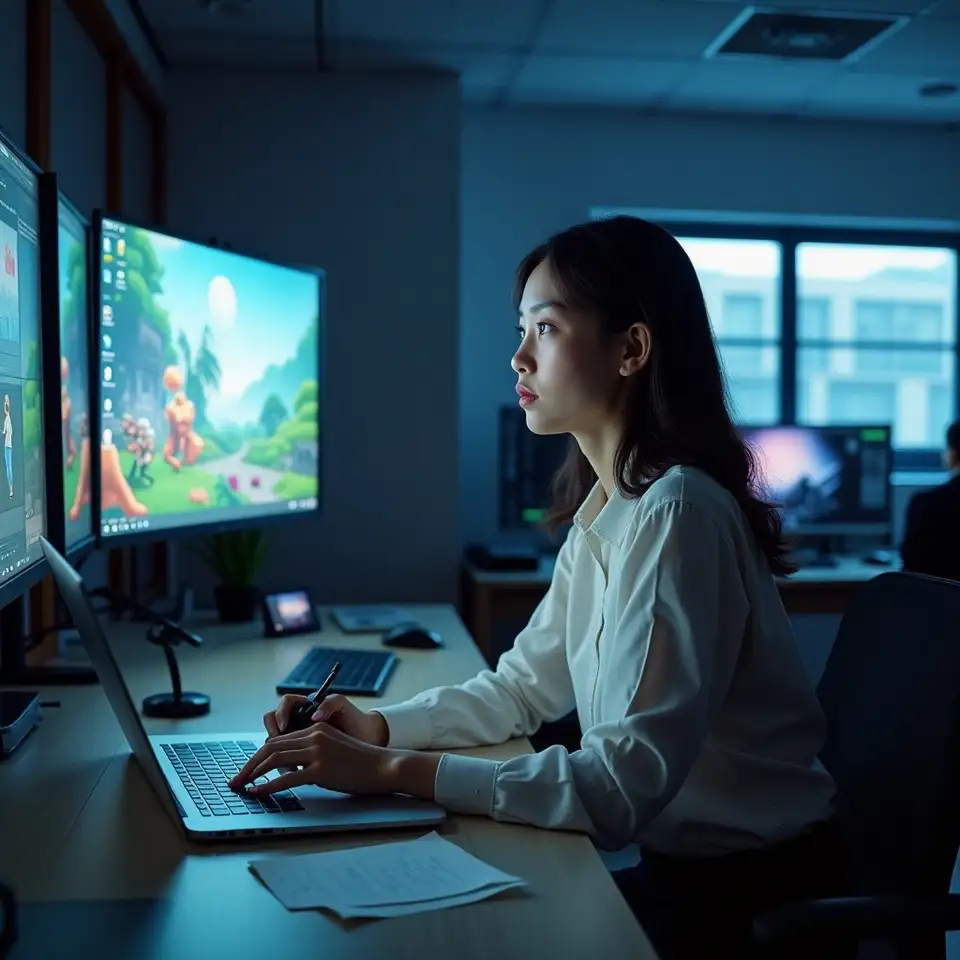
Ananya Rao, Lead Game UX Researcher
I speak two languages fluently: player frustration and designer intent. Before joining Wislaimasoascusi, I worked across mobile, PC, and console titles, usually parachuted in when a build “felt off” but nobody could pinpoint why. My focus now is on structuring usability studies so they respect genre conventions while still challenging risky assumptions about onboarding, pacing, and readability. -
02Systems and interface specialist
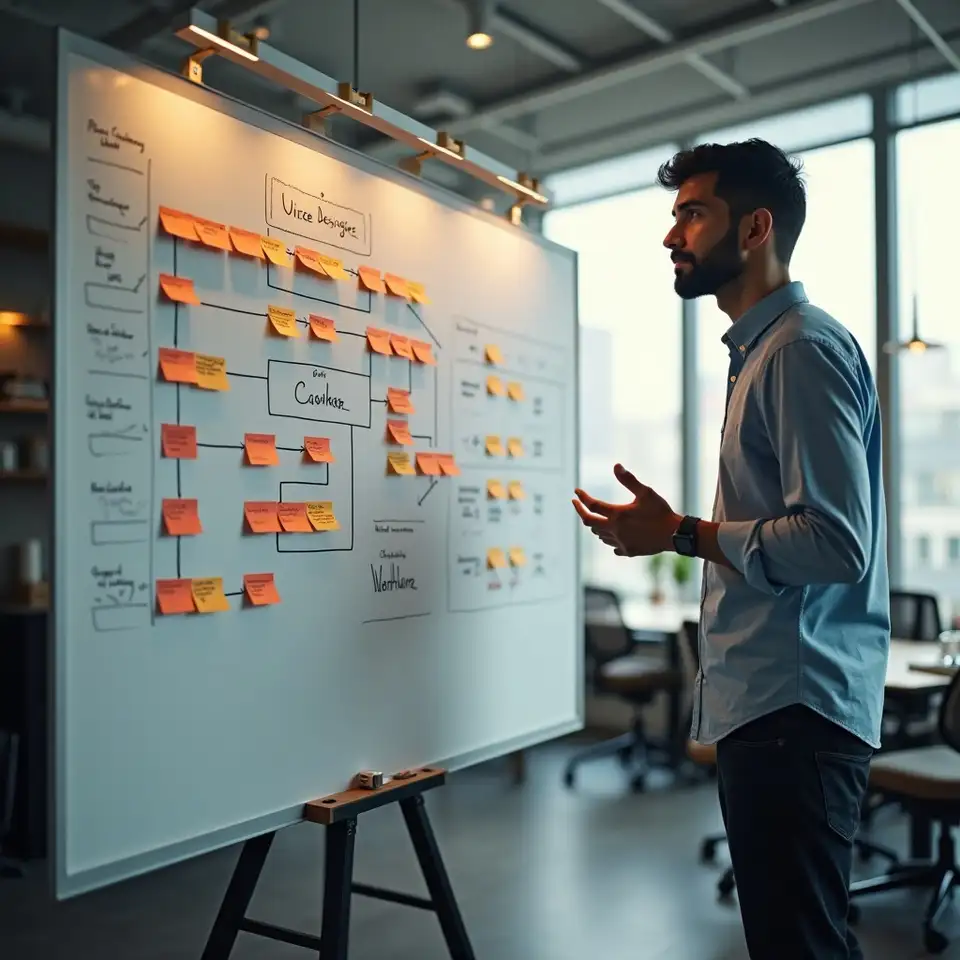
Rahul Mehta, Systems UX Specialist
My job is to turn messy observations into clean narratives. With a background in HCI and interaction design, I bridge what players say, what they actually do, and what your systems allow. I specialise in mapping flows for complex interfaces, from strategy layers to VR menus, and translating those into visual storyboards that designers can react to quickly.
-
03 Research operations and logistics

Priya Desai, Research Operations Coordinator
I look after the unglamorous but vital details that keep studies honest: recruitment criteria, scheduling, consent, and data handling. Having coordinated research for both tiny indie teams and larger studios, I know how fragile timelines can be. I design projects so that even if a build slips or a feature changes, the core questions still get answered without wasting sessions or budget. -
04Design partner and advisor
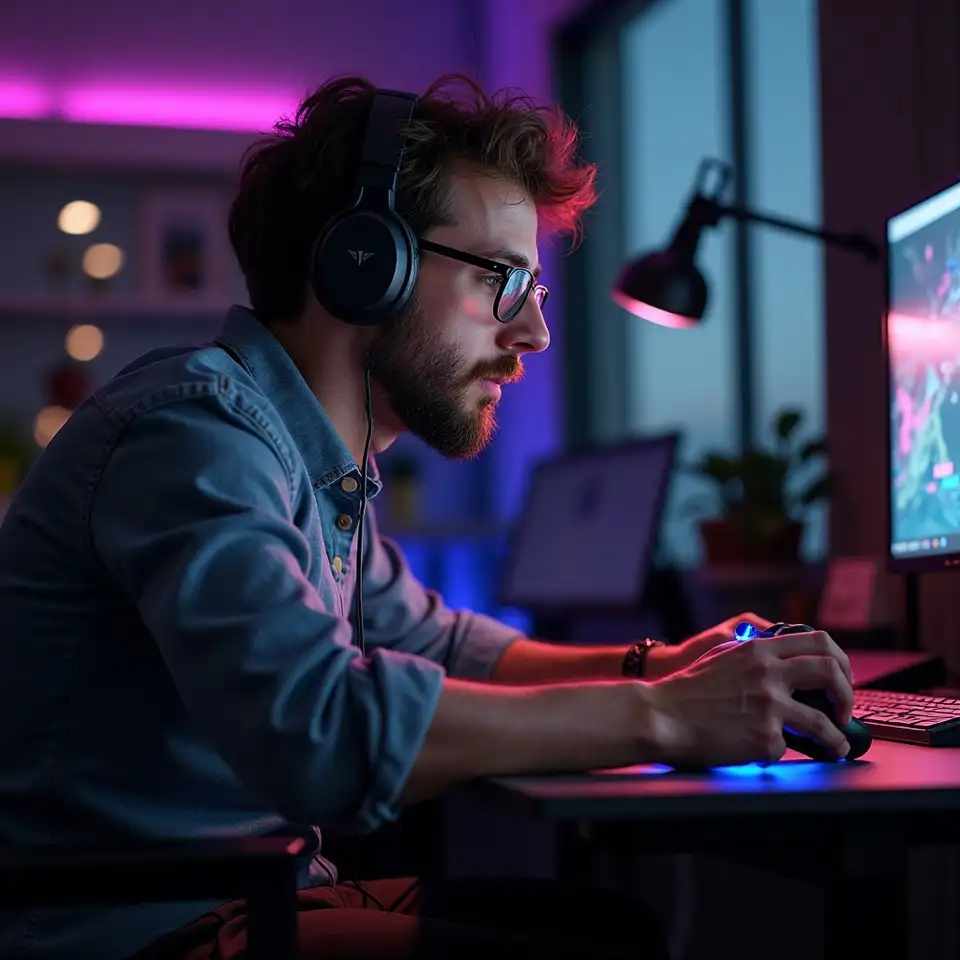
Karan Singh, Cross Platform Design Partner
I came to usability testing through level design. Years of watching players miss carefully crafted moments taught me humility fast. At Wislaimasoascusi, I focus on cross platform experiences, especially where console habits meet mobile expectations. I help interpret findings through a design lens, suggesting concrete layout, timing, and feedback tweaks that fit your engine and production reality.
From player confusion to actionable clarity
We sit in the awkward middle space where design ideals collide with real player
behaviour. Our work is to make that collision useful, not painful. By combining
moderated playtests, diary studies, and in game analytics, we map how players learn,
struggle, and adapt. Then we turn that into clear guidance your team can use within the
next few sprints, not in some distant sequel.
I started Wislaimasoascusi after watching too many promising builds stall not because the ideas were weak, but because no one could quite explain why players were bouncing off them. Traditional QA caught bugs; analytics flagged drop off points; yet the team was still guessing. A dedicated game usability testing studio, grounded in game UX and HCI, felt like the missing link between raw data and design decisions that actually improved moment to moment play.
We do not promise perfect scores or instant retention lifts. We promise careful
observation, honest reporting, and recommendations that respect both your constraints
and your players.
Timeline highlights
Key moments that shaped how we approach game usability, from early experiments to structured frameworks.
2022
Studio concept and early collaborations
A small group of UX researchers, HCI specialists, and game designers began comparing notes on why promising builds stumbled once real players got involved. After several informal collaborations, they realised that teams needed a partner focused entirely on usability and player experience, not just on bug tracking or market fit. Wislaimasoascusi was formed around that narrow, practical mission.
2023
First projects and method shaping
The studio completed its first wave of structured usability projects across mobile and PC titles, experimenting with different mixes of lab testing, remote sessions, and analytics reviews. These early engagements shaped our core practice: keep studies lightweight enough to fit inside active production, yet rigorous enough to uncover the friction that analytics alone could not explain.
2024
Expansion into VR, AR, and cross platform
As more teams asked about emerging formats, the studio expanded its toolkit to cover VR and AR experiences, as well as cross platform interfaces. This period pushed us to refine how we capture spatial confusion, motion comfort, and gesture learnability, while still grounding every recommendation in the realities of performance budgets and platform guidelines.
2025
Maturing practices and ethical standards
With a growing pipeline of return clients, Wislaimasoascusi formalised its internal frameworks for study design, reporting, and ethics. The studio introduced clearer playtest consent flows, stricter data handling practices aligned with Indian and international standards, and reusable templates for onboarding and retention reviews, all updated for the needs of teams shipping in 2026 and beyond.
What guides our decisions at Wislaimasoascusi
Behind every test plan and report is a set of principles that do not move as fast as platforms, engines, or trends. These values shape how we listen, what we recommend, and how we protect both your team and your players.
How we collaborate with game teams and handle feedback
Studio culture is the invisible UI behind every project. We keep ours focused on clear communication, respectful critique, and feedback loops that match the pace of modern game development.
Quiet rooms, messy whiteboards, blunt feedback, and respectful debates. That is how we
work with teams who care about how their games actually feel in players’ hands.
When we join a project, we treat the build like a living prototype, not a fragile
artefact. We start by listening to how your team talks about the game, the bets you
are making, and the worries you do not want to admit yet. Then we bring in players,
watch what really happens, and translate that gap into structured findings that your
designers can act on without losing momentum or morale.
We keep communication simple and predictable. You get a single research lead who
stays with your project from scoping through debrief, so context is never lost in
handoffs. Checkpoints are scheduled around your sprint rhythm, not ours, and every
session ends with a short, written summary before the longer report arrives. That
way, small fixes can ship quickly while deeper issues move into your backlog with
clear priorities.
Feedback is never a verdict; it is a conversation. We separate signal from noise, highlight trade offs instead of absolutes, and always frame recommendations in the language of your genre and platform. If a finding clashes with a strong creative instinct, we treat that tension as a design problem to explore together, not a win for research or design. Over time, this builds trust on both sides.
Because many teams work across time zones, we are deliberate about asynchronous communication. We record key play sessions, annotate critical moments, and share clips with concise context so your team can review when it suits them. Questions, disagreements, and alternative hypotheses are welcomed, documented, and, when needed, turned into follow up tests instead of unresolved threads.